
UAE E-Invoicing: First Deadline Passed – What’s Next for Businesses?
The UAE’s e-invoicing rollout has reached its first major milestone. 30 October 2026 was the deadline for businesses with annual revenue of AED 50 million or more to appoint an Accredited Service Provider (ASP).
But if your business hasn’t completed this step yet, what happens next? Here’s what UAE businesses need to know.
The First Deadline: 30 October 2026
Under the UAE’s e-invoicing implementation timeline, businesses with annual revenue of AED 50 million or more were required to appoint an accredited service provider by 30 October 2026.
The next important date is 1 January 2027, when mandatory e-invoicing implementation begins for this group.
The Federal Tax Authority (FTA) has also highlighted a potential administrative penalty of AED 5,000 for each month, or part thereof, of delay in appointing an ASP or implementing the system.
What If Your Business Missed the Deadline?
If your business hasn’t appointed an ASP yet, don’t wait any longer. Here are three steps to take:
- Choose an accredited provider. Check the UAE Ministry of Finance’s official list of approved ASPs.
- Complete your registration. Follow the required procedures through EmaraTax.
- Prepare your systems. Work on integrating your accounting or ERP software with your chosen provider and testing your invoicing processes.
The goal is to have your system ready before the January 2027 implementation date.
What About Smaller Businesses?
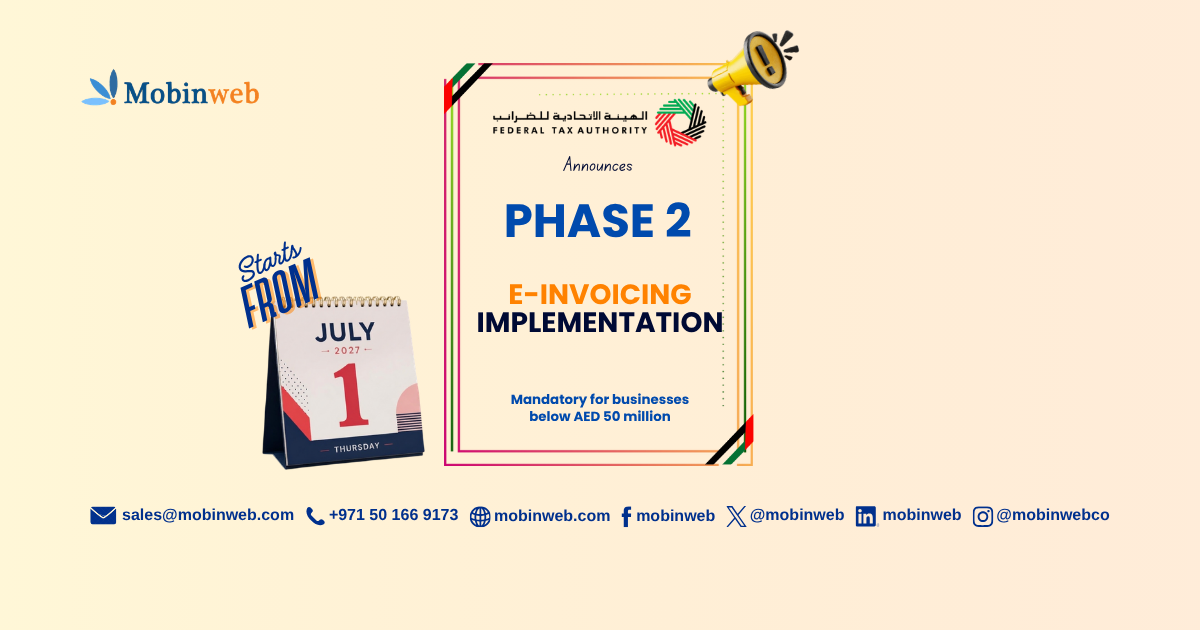
The rollout is happening in phases. Businesses with annual revenue below AED 50 million have more time, but they should start preparing now. For a complete update, visit our article, UAE E-invoicing Guide.
| Business category | Appoint an ASP by | Implementation |
|---|---|---|
| Revenue AED 50 million or more | 30 October 2026 | 1 January 2027 |
| Revenue below AED 50 million | 31 March 2027 | 1 July 2027 |
| Government entities | 31 March 2027 | 1 October 2027 |
What’s New Under Ministerial Decision No. 197 of 2026?
Alongside the implementation deadlines, the Ministry of Finance introduced additional changes through Ministerial Decision No. 197 of 2026.
These include:
- A temporary 24-month exclusion for certain transactions between members of the same VAT Tax Group, starting 1 January 2027.
- Removal of the requirement to store e-invoicing records within the UAE.
- Removal of the previous two-business-day system failure notification requirement.
These changes provide businesses with some additional flexibility, but the main implementation deadlines remain unchanged.
Final Thoughts
The first e-invoicing deadline has passed, but the transition is far from over.
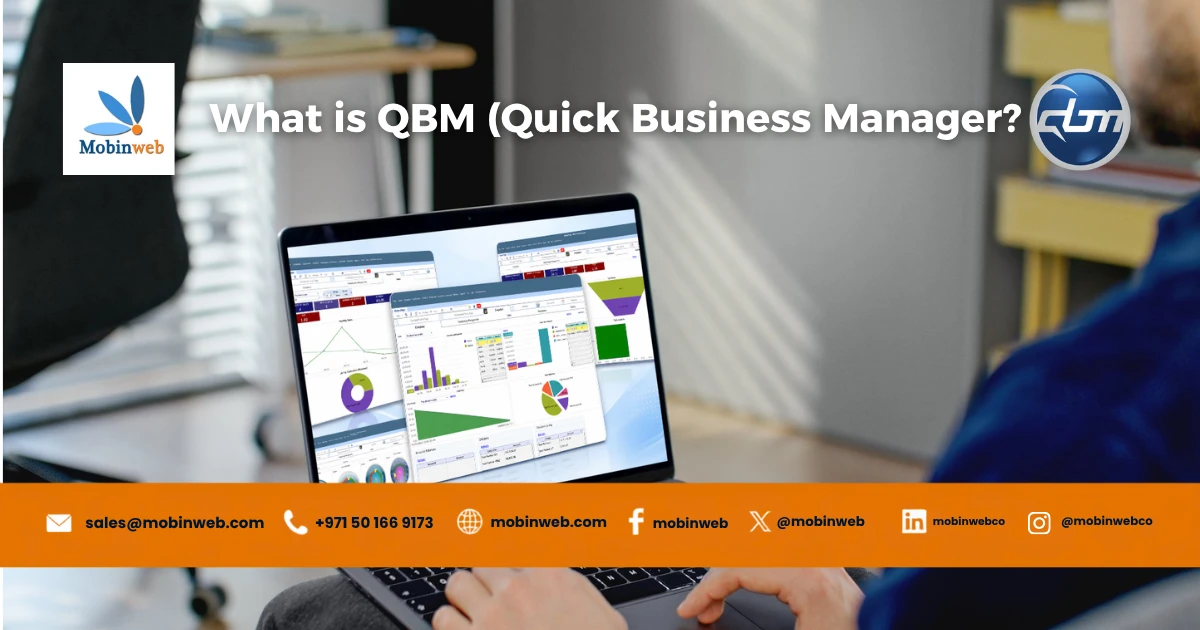
Whether your business is already preparing for implementation or still reviewing its options, now is the time to assess your accounting systems, choose the right technology partner, and get ready for the next phase. Quick Business Manager or QBM offers integrated business management tools to help streamline accounting, invoicing, and everyday processes.
Need help preparing your business for UAE e-invoicing? Mobinweb can help you explore suitable business software and integration solutions to support your transition.
Disclaimer: This article is for general information only and does not constitute tax or legal advice. Refer to the UAE Ministry of Finance and Federal Tax Authority for official guidance.