Are Custom Websites Worth It? Here’s the Honest Answer
Yes, custom websites are worth it for businesses that need their site to actively support growth- generating leads, processing transactions, or representing a brand at scale — because a custom build gives you unique design, faster performance, and no platform lock-in.
A template website can still be the smarter, lower-cost choice for a simple one-page site, an early-stage idea being tested, or anything needing to go live in days rather than weeks. Most businesses land on custom once their site needs to do more than just exist.
The right choice usually comes down to three things: how much your website needs to actively support your business, how fast you need it live, and how much long-term flexibility you want to keep. Here’s how to work through it.
What Does “Custom Website” Actually Mean?
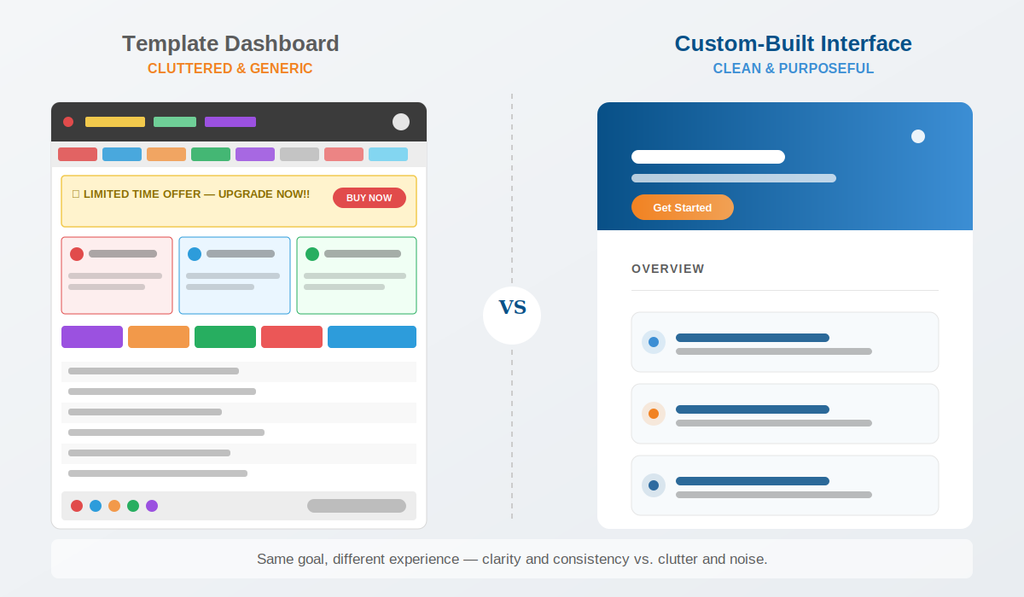
A custom website is built from the ground up around your business — your workflows, your branding, your customers, and your growth plans. Instead of fitting your business into a pre-made template, the site fits you.
That includes things like:
- A unique design that reflects your brand instead of looking like hundreds of other sites
- Features and functionality built specifically for how you operate (bookings, dashboards, integrations, e-commerce logic, etc.)
- Code that’s optimized for your exact use case, not stretched to cover every possible scenario
- Full ownership and flexibility to scale without hitting template limitations
| Custom Website | Template Website | |
| Upfront cost | Higher | Lower |
| Long-term cost | Lower — fewer plugin fixes and rebuilds | Often higher over time (patches, workarounds, eventual rebuild) |
| Performance | Built lean, only what you need | Often bloated with unused plugins/features |
| Design uniqueness | Fully unique to your brand | Shared with other sites on the same theme |
| Scalability | Built to grow with custom features | Limited once you outgrow the theme’s structure |
| SEO / AI search readiness | Clean structure, built with search in mind | Often fights against these factors by default |
| Ownership | You own the build outright | Often tied to a platform or theme license |
When Should You Go Custom?
A custom website is the stronger fit when:
- Unique and specific functionality — it can be a booking flow, a product configurator, a niche integration — that templates can’t handle well
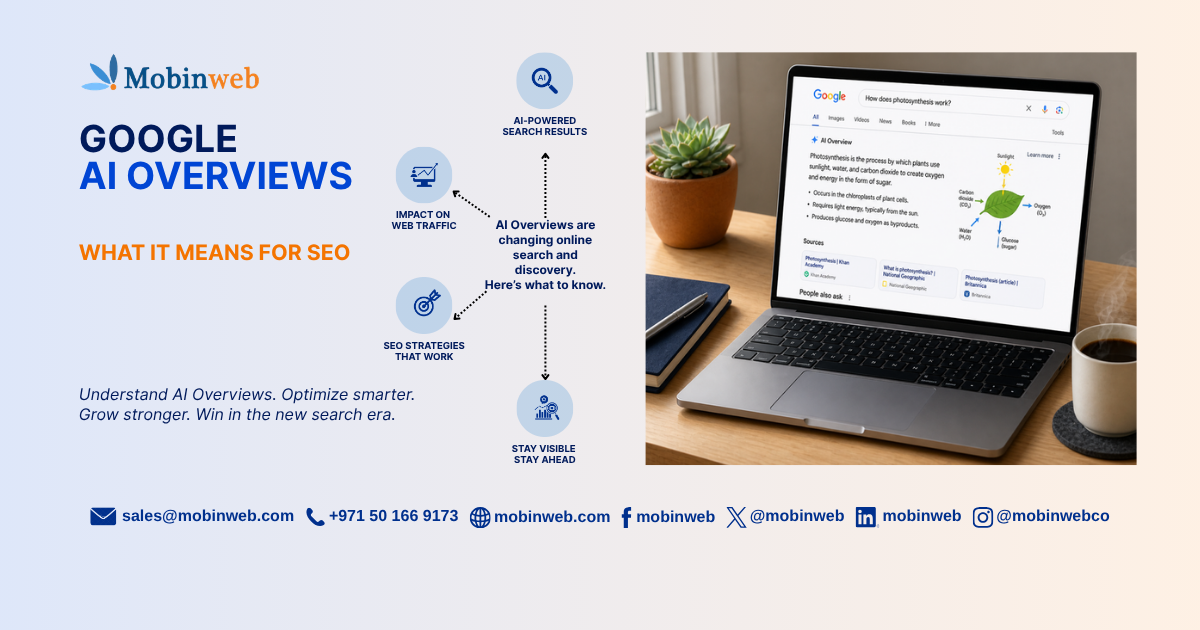
- SEO-focused and want to be well-positioned for AI-driven search tools like ChatGPT and Google AI Overviews
- Your brand needs visual ownership instead of blending in with competitors on the same theme
- A site that scales with your business instead of needing a rebuild in a year or two
See our Custom Website Development page for how we approach custom builds.
Frequently Asked Questions
Q: Is a custom website more expensive than a template? Usually yes, upfront. But templates often cost more long-term through plugins, workarounds, and rebuilds once the business outgrows them.
Q: Do small businesses need custom websites? Not always. It depends on whether the business needs specific functionality, strong branding, or long-term scalability — a simple template can work fine for an early-stage or very small operation.
Q: Are custom websites better for SEO? Generally, yes — clean code, faster load speeds, and original structure all support stronger search performance, including visibility in AI-driven search tools.
Q: Can I start with a template and move to custom later? Yes, and many businesses do exactly this. The usual pattern is to start with a template to validate the idea, then move to a custom build once the site needs to handle more traffic, features, or brand weight.
Not sure whether your business needs a custom build? Explore our custom website development services, and our team can help you figure out the right approach for where your business is now.